
AI Hardware News
AI Hardware is a single-page website dedicated to sharing valuable resources and links related to AI hardware. Whether you're exploring GPUs, CPUs, memory, or storage solutions for machine learning and data science, this site provides quick access to key tools, articles, and marketplaces to help you stay informed and make smarter hardware decisions.Let me know if you want it tailored more toward businesses, enthusiasts, or researchers!
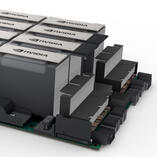
When Will the Memory Shortage End?The article When Will the Memory Shortage End? compares forecasts from 20 sources to examine how long the current memory shortage could continue. Rather than relying on a single prediction, it highlights differing expectations about DRAM supply, production capacity, and growing demand from AI infrastructure.The analysis is particularly relevant because AI data centers require substantial amounts of server RAM and high-bandwidth memory, while manufacturers must balance capacity expansion with demand from traditional computing markets. Even as new production capacity comes online, the time required to build facilities and increase output means that supply may not respond immediately.One important takeaway is that the shortage's end remains uncertain. Buyers should consider different market scenarios when planning hardware upgrades and procurement, rather than assuming memory prices will decline quickly.For businesses holding excess inventory, changing market conditions also make asset management important. Companies looking to sell RAM can evaluate surplus inventory as part of their broader IT asset strategy while monitoring supply, demand, and pricing developments.
How the Tariff War Affects the Second-Hand Market for Computer Parts
The renewed tariff tensions between the U.S. and China in 2025 have once again disrupted global supply chains—especially within the electronics and computing sectors. While new import duties have surged to as high as 145%, and in some cases even 245%, on select Chinese goods, certain exemptions for electronics and computer-related components exist. Nonetheless, the broader hardware market is already experiencing mounting pressure from cost uncertainty and tightened material flows.
Why Second-Hand Hardware Is Gaining Value
1. Used GPUs and RAM Are More Cost-EffectiveWith new GPU and RAM prices inflated due to supply chain pressure and import taxes, the second-hand market offers a compelling value proposition. Businesses looking to scale compute infrastructure are increasingly turning to refurbished or lightly used components.In fact, search volume has increased for terms like Sell GPU and Sell RAM, reflecting both demand for purchasing and selling used gear in a high-priced market.
2. Resale Prices Are ClimbingHardware that may have had limited resale value a year ago—such as last-gen workstation GPUs or DDR4 memory—is now seeing a bump in pricing. The cost of replacement is higher, and buyers are more open to slightly older tech that can still perform well in applications like rendering, AI training, or server farms.
3. Domestic Reuse Is Preferred Over Overseas PurchasesIn the past, many resellers and IT departments looked to overseas wholesalers for lower costs. Today, however, the risk of tariffs, delayed shipments, and regulatory uncertainty makes domestic second-hand procurement more attractive. For companies with excess inventory, now is a good time to Sell GPU units and high-capacity memory before the market rebalances.
How Businesses Can AdaptHere are a few recommendations for IT departments and hardware resellers:Audit your hardware: You may be sitting on valuable assets.Act now if you’re holding surplus: The current market offers strong returns for used high-performance hardware.Buy smart: Refurbished equipment offers a hedge against global trade volatility and helps avoid delays or tariffs.Practice circular IT management: Resell, reuse, and recycle when possible to reduce cost and waste.Final ThoughtsTrade wars are not just geopolitical events—they’re financial signals that affect tech budgets, hardware strategies, and upgrade cycles. As someone who has spent more than a decade helping businesses Sell RAM, GPUs, CPUs, and other IT equipment, I can confidently say that the second-hand market is becoming more vital than ever. Whether you're a systems integrator, an AI startup, or an enterprise with rotating infrastructure, staying plugged into the used parts market gives you flexibility in a rigid world.